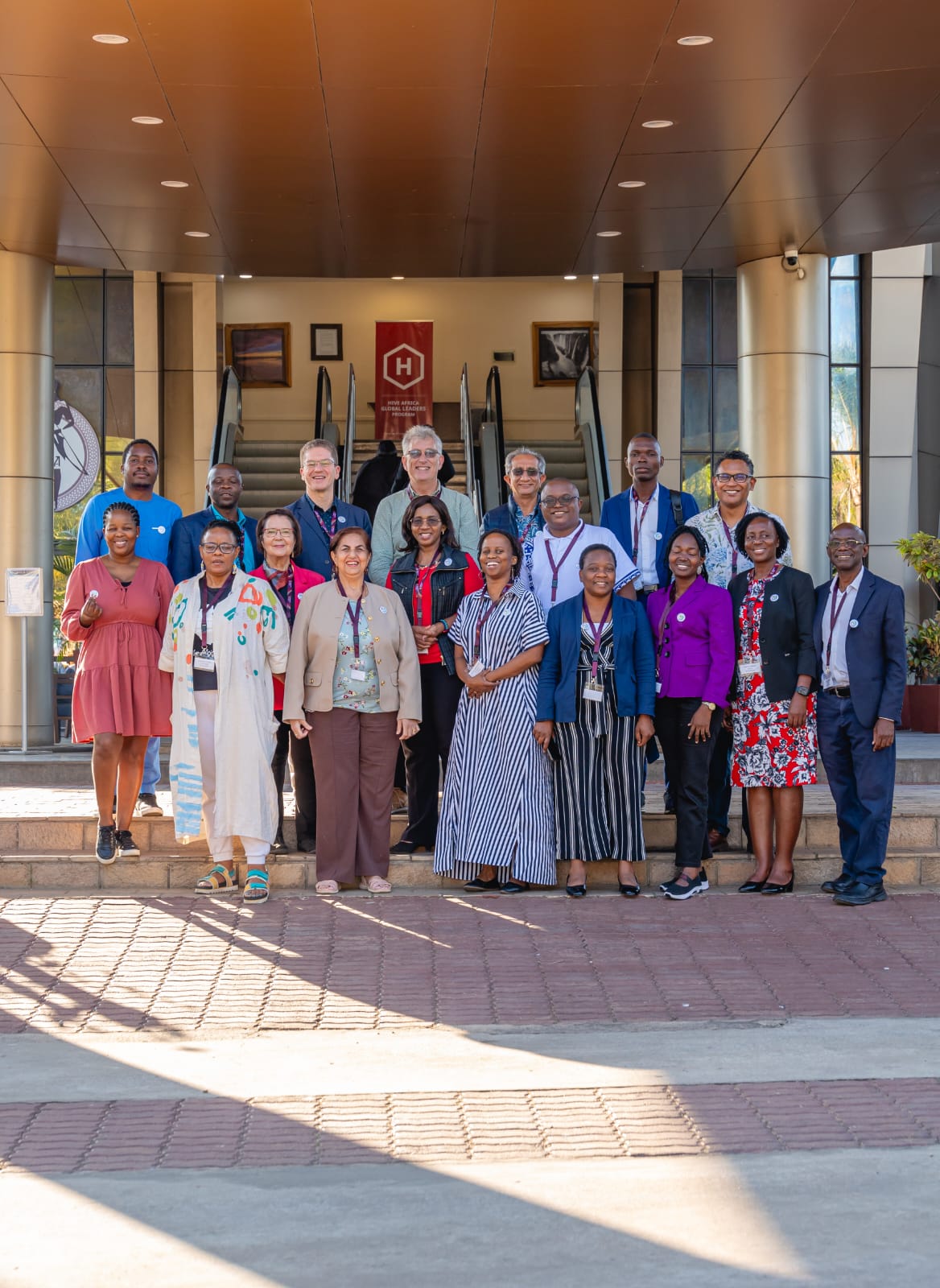
In June 2025, researchers from across sub-Saharan Africa met in person for the first time as the PCAT consortium. Over two days in Lusaka, Zambia, country leads and project staff from eleven partner countries came together to plan the next stage of the NIHR-funded Primary Care Assessment Tool (PCAT) project.
The meeting was held alongside the 16th annual conference of PRIMAFAMED, the Primary Care and Family Medicine Network for sub-Saharan Africa. That made it a natural moment to bring the team together. The goal was simple but important: move from planning on paper to shared, practical readiness for data collection.
Where the work will happen
The first day began with introductions, then a session in which each country team confirmed its study site. The choices reflect the diversity of primary care across the region. Several countries, including Kenya, Uganda and Namibia, chose rural districts to understand care in underserved areas. Lesotho and South Africa chose mixed rural and urban settings. Zambia committed to a peri-urban site in Chongwe, to look at how care works in fast-growing communities on the edge of cities.
This spread of settings is one of the project’s strengths. Measuring the core functions of primary care in such different contexts will allow meaningful comparisons across the region.
Naming the challenges early
Partners also spoke openly about what could slow the work down. These included the sheer size of some districts, rainy seasons that affect fieldwork timing, delays in ethics approval, and the need to align data-sharing policies across institutions.
A particularly rich discussion focused on Community Advisory Boards. Partners asked hard questions. Who gets to speak for a community? How do we keep these boards free from political influence? How do we make sure community feedback actually changes what we do? These questions will shape how community engagement is built into the project in every country.
Getting the method right
Day two turned to research design. Partners worked through the steps each country will follow to adapt the PCAT survey: mapping local primary care services, selecting balanced samples of facilities and patients, and tailoring the questionnaire to how care is organised in each setting.
The survey will be completed by adults who have used primary care services. Data will be collected on REDCap or on paper, depending on language needs and local infrastructure. The day ended with reflections on building strong Community Advisory Boards that work through existing community structures, local clinics and partner organisations, and that connect with young people.
A shared identity
One highlight of the meeting was the official launch of the PCAT SSAfrica logo. Partners received banners, button badges and stickers to take home to their country teams. The stickers carry a QR code linking to the project’s monitoring and evaluation tool. It was a small gesture with a larger purpose: building a sense of shared ownership across the consortium.
Counting our footprint
Bringing eleven countries together has an environmental cost, and we measured it. Partner flights to Lusaka produced an estimated 8.97 tonnes of CO₂. This will be offset as part of the project’s commitment to sustainable research practice.
What comes next
Since Lusaka, the focus has been on:
- finalising partner contracts
- submitting the study protocol to ethics committees in each country
- securing district permissions
- recruiting and training research teams
Monthly virtual meetings now keep all eleven countries connected between in-person gatherings.
The full meeting report is available on our Activities page.
![[PLACEHOLDER] Regional Data Analysis Workshop, Dar es Salaam, Tanzania](https://pcat.africa/wp-content/uploads/2025/06/ChatGPT-Image-Jun-16-2025-02_52_04-PM.png)
![[PLACEHOLDER] PCAT Partners’ Meeting, Lusaka, Zambia](https://pcat.africa/wp-content/uploads/2025/06/gallery-bg.jpg)